
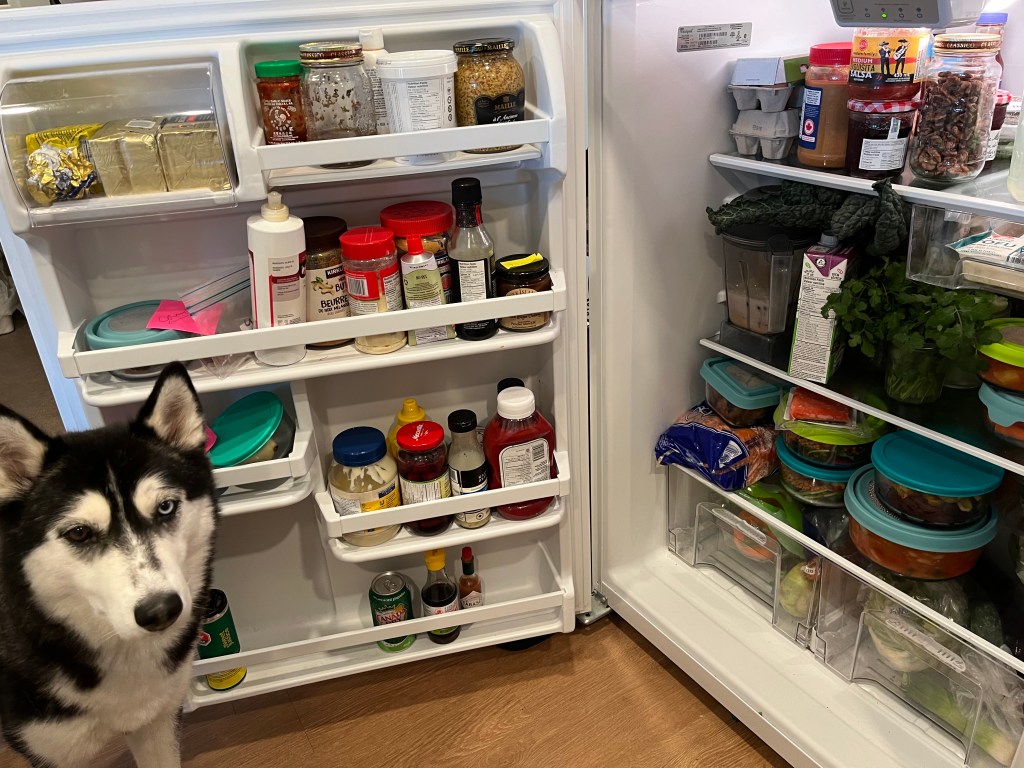
Last week, I cleaned out my fridge. One of those big, prepare for multiple trips to the compost kind of clean outs. As I sat on the floor, pulling out wilted greens, mystery sauces and some suspiciously ageless cream cheese it hit me – cleaning out my fridge was just like doing a visitor study!
Visitor studies help you understand your audiences better by evaluating their experience.
They can be short or long. Narrowly focused or expansive. You can use them to learn how your audiences are currently engaging with your interpretive products, like exhibits and programs, or what they would like to see in the future. You can even use visitor studies to inventory your collection, text panels or exhibits to see how they align with your organization’s mission.
On the surface, cleaning your fridge and doing a visitor study appear different. But, here are five things they have in common:
- Into the unknown.
Evaluating an exhibit or program can feel daunting to start. Museums, heritage sites, aquaria, science centres – no matter what kind of visitor focused institution you work at – chances are there is a lot of stuff you could evaluate. Just like a fridge, overflowing with overripe produce, it is hard to know where to begin.
Start with a goal. For example: I want to know if the new exhibit is a success so I can apply for funding for future exhibits like it.
Break that down into more specific questions, for example:
- How long are visitors spending in the exhibit?
- How are visitors engaging with the content in the exhibit?
- What do visitors say they like (or do not like) about the exhibit?
Match those questions to the most appropriate evaluation methods and start collecting data!
Define the scope, get help from others and you are off to a good start – even if you do not know where you’ll end up.
- You will find surprises.
Plan your visitor study with an open mind, and you will likely find surprises in the data. I often hear people worry that surprises are always negative; that they’ll discover something is horribly wrong in their exhibit and they’ll have to re-do everything!
Finding out something is not working is actually good news. Now that you are aware, you can fix it or use the information to plan your next exhibit or program.
Many surprises are also neutral. For example, you may find out that most visitors tend to visit your museum in groups of two, that families tend to read a particular panel out loud to each other or that 80% of visitors order a tea in the cafe. This information helps you understand your visitors, how they engage with your institution and may inspire future visitor studies.
Surprises can also be positive. Just like I found a surprise apple sauce at the back of my fridge, you may find that a desirable audience segment is actually growing or an exhibit you thought needed remediation was actually well-loved and impactful as is.
Surprises can be many things – but they are always useful.
- You’ll find things you expected.
Finding things you expected is a common reason for not doing visitor studies. If things appear to be going well, why dig any deeper? Or, if things aren’t working optimally, why add more to your plate by doing a visitor study to prove it?
The point of doing this type of research is to gather data, proving (or disproving) your hunch. Anecdotes from staff and volunteers are helpful, but they do not compare to the data collected in a visitor study.
Use your visitor study data to get the accolades you deserve and the support you need.
Returning to the fridge example, I had a problem with leaving leftovers in the fridge too long. They go bad. I started labeling leftovers with the date I put them in the fridge and soon I could see the extent of the issue, understand it better and now I know how to fix it (the answer is to make freezer friendly meals).
- You will feel empowered when it’s done.
Understanding your visitors better is a powerful feeling. As is knowing the content of your text panels and programs. Or doing an inventory of what is in your fridge.
Once you understand what you have, you can move forward with confidence.
- You will have to do it again – and that’s a good thing.
Evaluating your audience is a process that will need to be repeated. How often depends on what you need to know. But even if your institution rarely changes things up internally, your visitors change.
Just like condiments reliably congregate at the back of the fridge over time, repeat visitors get older and tourist demographics change. Building visitor studies into your interpretive planning process helps to keep you up to date, so you can continue to make your institution a relevant destination.
Approach visitor studies as a cyclical process. Tackle evaluation in bite sized pieces and you’ll become more efficient and effective with practice. After all, it is easier to clean a fridge if you do it regularly.
 TM Visitor Studies