
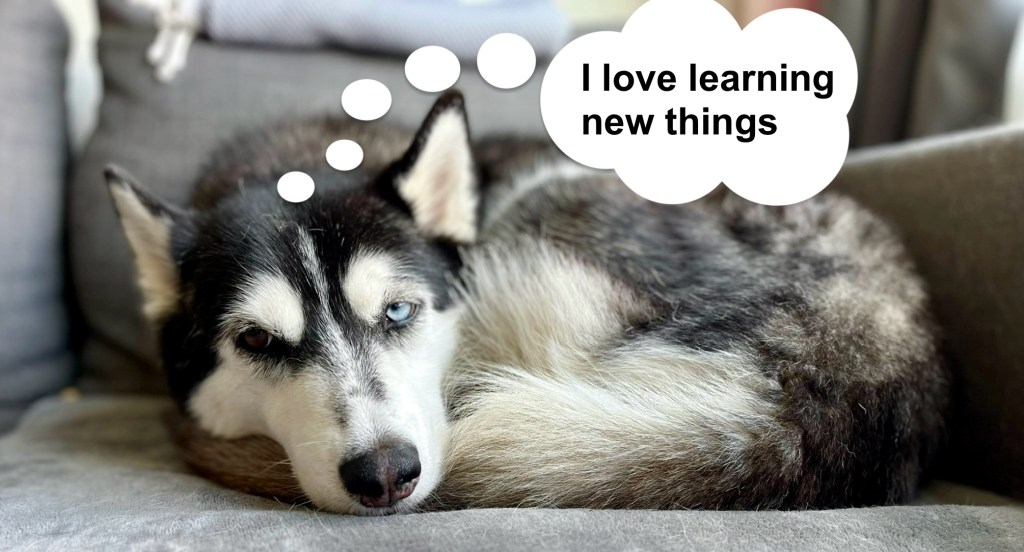
Before conducting my first few visitor studies, I prepared thoroughly by studying the best practices, reading articles and trying out different evaluation techniques in school settings. All this preparation was essential and valuable, but I couldn’t learn certain lessons until I got out there on my own! Here are 10 things I have learned about visitor studies since starting work as a Visitor Study Consultant:
- Visitor studies take time. Even simple visitor studies take time. Build in time to really consider the scope of the evaluation. Plan to pilot data collection methods and to update those data collection methods if issues come up when you are testing them. Think of how long it will really take to analyse the data once you have collected it. Remember, a visitor study report may be all a client has time to read. Plan time to make it efficient and visually appealing – it’s worth it.
- Data collection takes patience. I have spent 15 minutes waiting for a single visitor to enter a gallery when timing and tracking. Each minute seems to last forever but then all of a sudden 3 groups come in at the same time! For the sake of accuracy, I only follow one visitor at a time, even though it is sooo tempting to try to follow more.
Sometimes things are busy, and sometimes things are slow. Plan enough data collection time to account for the ebbs and flows of visitation so you don’t end up desperately chasing visitors down.
- Take breaks. This has been so important when I am doing data collection. I’m just not at my best when I’m hungry and thirsty – and doing the pee dance while surveying a visitor is just not a professional thing to do. Data collection can be intensely focused work and in some cases, I can only collect data effectively for a couple hours at a time. It depends on the site and the data collection method being used. So, plan to take breaks.
A word of caution; don’t take a break in a place where you are within eye or earshot of the visitors you are studying, unless you are very good at detaching from the work. I have done this a few times and each time I overheard comments or saw behaviours that made me want to jump up and survey those visitors right away. That’s not a relaxing way to spend a break.
- Notice unexpected patterns, but stay within scope. I have found that observing a gallery space for hours and hours often leads to surprising discoveries. Maybe it’s an unanticipated traffic flow or a behaviour you were not expecting most visitors to repeat. If recording this pattern is within the scope of the visitor study, that’s great! But if it’s not – don’t spend too much time pursuing it. Note it, talk about it with the client, but don’t spend your valuable data collection time documenting something out of scope; save it for your next visitor study.
- Practise the art of disengaging. I love talking to visitors. Sometimes doing interviews is part of a visitor study, so chatting with visitors is the job. Sometimes if one person in a group is filling in a survey, I will chat with other group members to be friendly and keep them entertained.
But, some visitors really like to chat. A lot. They’ll keep talking beyond the interview and longer than it takes for their companion to fill in a survey. This is a problem when you are collecting data and need to interview / survey the next visitor. Every situation is unique but using a combination of body language and thanking visitors for their time usually sends the signal that you need to go.
- Collecting data is much faster than processing data. I have data FOMO; my research notebook is often full of any and all observations from my time at the study site. Taking lots of notes can be a great tool for thinking through what you have been observing. However, trying to analyse and report on all that data can be like trying to swim in molasses.
If your visitor study has been thoughtfully planned and thoroughly piloted, you should only need to use the pre-planned data collection methods to answer your research question. You can take notes and add details, but don’t feel compelled to include them all in your analysis.
- Your appearance matters. Appearing (and actually being) trustworthy is important in any kind of audience research. If you are doing covert timing and tracking, you will want to blend in as much as possible. If you’re surveying visitors, you’ll want to appear professional and welcoming.
When I’m doing a visitor study, I will often switch between data collection methods so I wear clothes that allow me to blend in but are just professional enough that visitors will trust me when I invite them to fill in a survey.
- When doing surveys, plan how you’ll introduce yourself. Asking “Hi, do you have time to fill in a survey?” usually sends people running. Saying, “Hi, I’m a researcher looking at gallery X / exhibit Y. Would you be able to help me by filling in a short survey?” is better.
Make it clear you are not asking for money. Make it clear how long the survey will take and what will be done with the results.
- The signage you have up for ethical purposes can prime visitors to participate. Most museums will have some kind of signage up, while a visitor study is taking place on site. It’s usually a sign that says something like “Research is taking place in the gallery today” and it may list a staff contact for visitors who have questions. Not only does this help you do research more ethically, but it also gives visitors a heads up that someone might ask them questions. In my experience, this means they are less likely to run away, when approached with a survey on a clipboard.
- Unconscious bias is hard to detect in yourself. (That’s what makes it unconscious!) I have found I need to check in with myself regularly, to make sure I’m not veering towards confirmation bias.
If you notice a pattern emerging in your study results that you didn’t expect, don’t think that means you are doing anything wrong. In fact, it probably means you’re doing something right! Check in with yourself regularly to make sure you are truly open to any results in your study.
 TM Visitor Studies